Pie Cafe Colorado Springs: Fresh Pie, Friendly Service, and Cozy Atmosphere
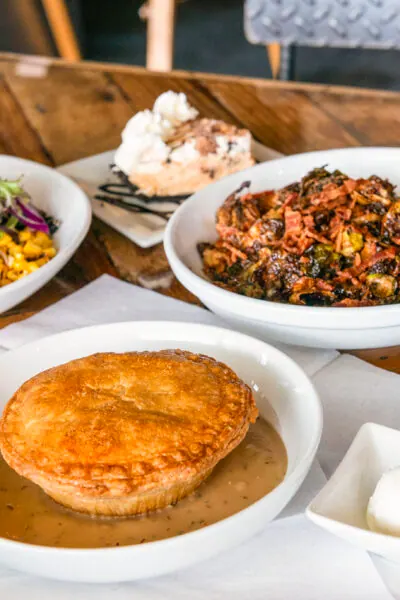
There are some places you visit for efficiency, and there are others you seek out because they make an ordinary day feel better. A good pie shop falls squarely into the second category. When people search for pie cafe colorado springs, they are rarely looking for calories alone. They want comfort, a sense of place, and food that tastes like someone in the kitchen still cares about the details.
That matters more than it may seem at first glance. Pie is one of the easiest foods to romanticize and one of the hardest to execute well. Anyone can promise flaky crust, seasonal fruit, or a warm slice with coffee. Far fewer places actually deliver a pie that balances texture, sweetness, and freshness without leaning on shortcuts. Add to that the challenge of service and atmosphere, and it becomes clear why a truly memorable pie cafe stands out in a city full of dining options.
Colorado Springs has the kind of dining culture that rewards sincerity. Residents tend to notice when a business gets the basics right, and visitors can usually tell within ten minutes whether a place was built to serve people or simply to process them. In a pie cafe, those basics are not complicated, but they are exacting. The pastry needs structure and tenderness. The filling has to taste like the fruit, the spice, the cream, or the chocolate it claims to feature. The coffee cannot be an afterthought. The room should invite you to stay long enough to order one more forkful than you intended.
When all of that comes together, the result is bigger than dessert.
Why pie still holds its ground
Pie has a way of slowing people down. Cake is often tied to events. Cookies travel well and disappear fast. Pie asks for a plate, a fork, and a little attention. That ritual is part of the appeal. In a cafe setting, it creates a different pace from the usual grab-and-go bakery experience.
A fresh slice of pie asks to be noticed in layers. First comes the aroma, usually butter, toasted sugar, spice, or fruit. Then there is the crust, which should give a little resistance before yielding cleanly. After that comes the filling, where most shops separate themselves from the pack. A fruit pie that is too loose becomes jammy. One that is over-thickened loses brightness. Cream pies can turn heavy if the filling lacks lift. Custards need delicate baking and a steady hand. Savory pies, though sometimes overlooked in dessert-focused cafes, demand balance as well. Richness alone is not enough. They need acid, herbs, texture, or heat to keep each bite interesting.
That is one reason the phrase pie cafe colorado springs carries such specific appeal. People are not just looking for a baked good. They are looking for a place that handles a traditional food with care, then serves it in a setting that feels personal rather than transactional.
Fresh pie means more than oven temperature
The word “fresh” gets thrown around so casually in food writing that it can lose its meaning. In the context of a pie cafe, freshness is not only about whether the pie came out of the oven an hour ago. It is also about ingredient quality, timing, and restraint.
Fresh fruit pies should taste like the fruit itself, not like sugar with a fruit-shaped memory. If a berry pie tastes flat, it often means the fruit was under-ripe, frozen without adjustment, or overwhelmed by starch. A good baker knows that blueberries, peaches, apples, and cherries all behave differently, and that each season calls for small adjustments. Some batches need more acid. Some need less sugar. Some need a longer rest before slicing. That judgment is what separates a bakery recipe from bakery skill.
The same standard applies to cream and custard pies. Freshness shows up in clean dairy flavor, stable texture, and proper chilling. Banana cream should taste like bananas, not extract. Coconut cream should carry real texture and fragrance. Chocolate pie should be deep and smooth, not muddy or overly sweet. Even a classic pumpkin pie tells you a lot about a kitchen. When it is good, it tastes gently spiced, silky, and balanced. When it is rushed, it can turn grainy, wet, or one-note.
Crust is often where the whole experience succeeds or fails. A proper pie crust does not need drama. It needs butter or shortening handled correctly, water added sparingly, dough rested enough, and baking done with discipline. The best crusts are flaky without shattering into dust, browned without tasting scorched, and sturdy enough to support the filling without becoming leathery. Many customers do not describe those technical details when they talk about a place they love. They simply say, “The pie tastes homemade, but better.” That is usually shorthand for technique.
In a strong pie cafe, you can sense this care in small ways. Slices hold their shape but are not rubbery. Meringue is toasted thoughtfully rather than blasted for color. Whipped cream tastes like cream. Seasonal offerings come and go because ingredients change, not because a printed menu demanded novelty.
The kind of service people remember
Friendly service is easy to promise and surprisingly difficult to sustain. In cafes, friendliness is not about forced enthusiasm or rehearsed chatter. It is about attention, timing, and the sense that staff understand what they are serving.
At the best pie counters, the staff do more than point to the display case. They can explain the difference between two apple pies, tell you whether a cream pie is especially rich, mention if a fruit filling leans tart, or guide you toward something you might have overlooked. That kind of product knowledge matters because pie is personal. One person wants nostalgia, another wants restraint, another wants the most decadent slice in the room. Good service helps people land on the right choice without feeling upsold.
There is also a practical side to hospitality that regular customers notice quickly. Water appears before you ask. Coffee refills come at the right moment. To-go slices are packed neatly enough to survive the drive home. If the cafe is busy, someone acknowledges the wait instead of pretending it does not exist. These are not glamorous details, but they shape the experience more than decorative signage ever will.
In Colorado Springs, where locals often favor businesses that feel rooted and approachable, service can be the deciding factor between a one-time stop and a habitual visit. A pie cafe does not need polished fine-dining choreography. It does need staff who seem glad you came in. That warmth changes everything, especially for solo diners, older guests, families with young children, and out-of-town visitors trying to find a place that feels easy and welcoming.
The strongest service style in a pie cafe is usually unhurried without being slow. Nobody wants to stand at the register while the line stalls, but nobody wants to feel rushed through a decision that should be enjoyable either. There is a sweet spot where the room moves efficiently and still feels human. When a cafe hits that balance, customers tend to settle in, order coffee, then talk themselves into taking a whole pie home.
Cozy atmosphere is a serious business decision
Atmosphere often gets dismissed as the soft side of hospitality, something nice to have once the food is sorted out. In reality, atmosphere is part of the product. A pie cafe that feels cold, loud, or generic undercuts its own menu, no matter how skilled the baker may be.
Cozy does not necessarily mean rustic, crowded, or old-fashioned. It means the space lowers your guard a little. The lighting is warm enough that pie looks inviting rather than clinical. The seating allows for comfort, not just turnover. Tables are placed with enough breathing room that conversations do not overlap too aggressively. The room smells like coffee and pastry, not cleaning chemicals. Background music, if there is any, stays in the background.
There is also an emotional layer to a cozy cafe that is harder to fake. The room should suggest that people are welcome to linger. You see it when a pair of friends split a slice and keep talking after the plates are empty. You see it when someone reads by the window with a refillable mug. You see it when a family orders several different slices because sharing feels natural in the space.
For a shop associated with pie cafe colorado springs, this matters because Colorado Springs itself has a distinct rhythm. People here often appreciate spaces that feel grounded, relaxed, and a little personal. A pie cafe works best when it reflects that sensibility. It does not need to be precious. It needs to feel lived in, cared for, and intentionally comfortable.
The cafes that understand this rarely over-design the experience. They know pie already carries emotional weight. The atmosphere should support that, not compete with it. A modest room with clean lines, warm service, and the smell of fresh baking will beat a trend-driven concept every time if the goal is repeat business.
What makes a slice worth ordering again
The first bite gets attention. The fourth or fifth bite is where quality becomes obvious. This is especially true with pie because sweetness can mask problems for a moment, but not for a whole slice.
A pie worth returning for has contrast. If it is fruit-based, there should be brightness against butter and sugar. If it is cream-based, richness should meet some lightness, whether from whipped topping, a crisp crust, or a subtle salt note. If it is chocolate, the flavor should deepen rather than flatten as you keep eating. Even something as familiar as apple pie reveals a lot over the course of a serving. You want apples that retain some identity, spice that supports rather than dominates, and a crust that still feels distinct against the filling.
Temperature also changes the experience. Warm apple or berry pies can feel generous and fragrant, especially with coffee. Chilled cream pies need enough time to set but not so much that they lose freshness. Savory slices often benefit from a proper reheat rather than a rushed pass through a microwave. These details sound small until you taste the difference. Then they become the reason one cafe earns loyalty while another becomes forgettable.
Portion size is another balancing act. Oversized slices can impress at first glance but often signal imbalance. If the filling is too tall, the structure suffers. If the crust is too thick, the ratio turns heavy. A well-cut slice should feel abundant without becoming a challenge. People should finish it because they enjoyed it, not because they feel morally committed.
Coffee, tea, and the supporting cast
A pie cafe lives and dies primarily by the pie, but beverages still matter. Coffee is not just an add-on. It is the anchor that turns dessert into an afternoon ritual or a casual meeting spot.
Bad coffee can flatten the whole experience. If it is burnt, stale, or weak, it makes sweet pies taste clumsy. Good coffee, by contrast, sharpens flavor and gives structure to a rich slice. A bright drip coffee can lift berry or citrus pies. A darker roast can sit well beside pecan, chocolate, or caramel flavors. Tea deserves equal consideration, especially for guests who want something gentler. Black teas pair naturally with many fruit pies, while herbal options can suit lighter desserts or late-day visits.
Simple beverage execution often tells you whether a cafe pays attention beyond the display case. Cups should be hot when they need to be hot, brewed fresh, and served promptly. Cream and sugar should be easy to access without turning the counter into chaos. Seasonal drinks can be welcome, but only if https://www.google.com/maps/place/3.14+Pi+Bar/@38.904931,-104.8640194,645m/data=!3m2!1e3!4b1!4m6!3m5!1s0x871351cb8e421c73:0x625e5daf6049557!8m2!3d38.904931!4d-104.8640194!16s%2Fg%2F11cln7c20s!5m1!1e1?entry=tts&g_ep=EgoyMDI2MDkwMi4wIPu8ASoASAFQAw%3D%3D&skid=6e7a9d96-f0ef-42d6-ba38-e9123c4d8f60 they are handled with the same restraint a good baker brings to pie. Nobody needs a sugar bomb competing with the pastry.
Savory menu items, soups, quiches, or light lunch offerings can broaden a pie cafe’s appeal if done well. Still, there is a trade-off. The more expansive the menu becomes, the harder it is to maintain focus. Some cafes handle this beautifully and create a full-day destination. Others dilute their strengths. In my experience, the best shops know exactly how far to extend the menu before quality starts slipping.
The appeal for locals and visitors alike
One reason pie cafes do well in destination-friendly cities is that they satisfy different needs for different people. Locals want reliability. Visitors want discovery. A strong pie cafe can offer both at once.
For residents, the ideal neighborhood spot becomes part of the weekly routine. It is where you stop after errands, bring an out-of-town guest, or pick up dessert before a family dinner. Predictability is not boring in that context. It is valuable. Customers want to know that the crust will still be flaky next month and that the room will still feel familiar when the weather turns.
Visitors, on the other hand, often search for something with local character. They may type pie cafe colorado springs into a phone while planning a day around downtown, a scenic drive, or time with family. What they hope to find is not just sugar and pastry. They want a place that feels representative of the city’s more welcoming side. A cafe can do that without trying too hard. Honest baking, kind service, and a comfortable room communicate a lot about a place.
There is also something practical about pie as a travel meal or travel memory. It works for a quick sit-down break, a casual date, a post-hike treat, or a box to carry back to a hotel. Whole pies make easy gifts. Individual slices lower the commitment. Families can sample several kinds and compare. Very few foods fit so many occasions so neatly.
How to spot quality before you order
If you are trying a pie cafe for the first time, a few cues tell you a lot before the first bite. The display case should look cared for rather than merely stocked. Fruit fillings should have color that reads natural, not fluorescent. Whipped cream should look freshly handled, not crusted at the edges. Meringue should have some integrity rather than weeping into the filling. Savory items should smell appetizing, not stale or tired.
The room itself offers clues too. Busy is not always better, but steady repeat traffic usually means something. Watch how staff speak to regulars and first-timers. Notice whether tables get cleared promptly. Look at how to-go orders are packed. These details suggest how seriously the business takes hospitality.
One smart approach is to start with a classic. Every pie shop can make a dramatic specialty slice, but fundamentals reveal more. Apple, cherry, coconut cream, chocolate cream, pecan, or lemon meringue are good benchmarks because there is nowhere to hide. If those are balanced and well-made, the rest of the menu usually follows suit.
If you are taking a whole pie home, ask how it holds best and when it should be served. A confident staff member should be able to tell you whether the pie needs refrigeration, whether it is best the same day, and how to slice it cleanly. That kind of guidance may sound simple, but it reflects pride in the product.
Why places like this earn staying power
Restaurants come and go for many reasons, some financial, some operational, some simply a mismatch with the market. Pie cafes that endure usually do so because they understand what customers actually value. Novelty can attract attention once. Consistency builds a real business.
Pie occupies a special category of comfort food because it feels generous without trying to impress. That makes it well suited to a city where people often appreciate authenticity over spectacle. A reliable cafe offering fresh pie, friendly service, and a cozy atmosphere is not chasing a trend. It is meeting a durable human need for warmth, familiarity, and pleasure.
The strongest shops also understand restraint. They do not overcomplicate recipes that should taste clean and direct. They do not confuse loud branding with identity. They do not overlook hospitality in the rush to expand. Instead, they keep returning to the essentials: bake carefully, serve kindly, and create a room where people want to stay a little longer.
That formula sounds simple because, on paper, it is. In practice, it takes discipline every day.
For anyone exploring the appeal behind pie cafe colorado springs, that is the real draw. You are not only looking for a slice. You are looking for a place where the food tastes cared for, the service feels sincere, and the atmosphere gives you permission to pause. When a cafe can offer all three, it becomes more than a stop for dessert. It becomes part of the way people experience the city, one plate at a time.
3.14 Pi Bar
5152 Centennial Blvd
Colorado Springs, CO 80919
(719) 314-6172
FAQ About pie cafe colorado springs
Does 3.14 Pi Bar serve sweet and savory pies?
Yes. The café serves savory pot pies and seasonal sweet pies made from scratch. Flavors can vary.
Can I order a whole pie to take home?
Yes. The café sells whole sweet pies to take home. Check the current menu for flavors and ordering options.
Does 3.14 Pi Bar offer take-and-bake pies?
Yes. The café offers prepared pies that you can bake at home. Check the current menu for available varieties.